
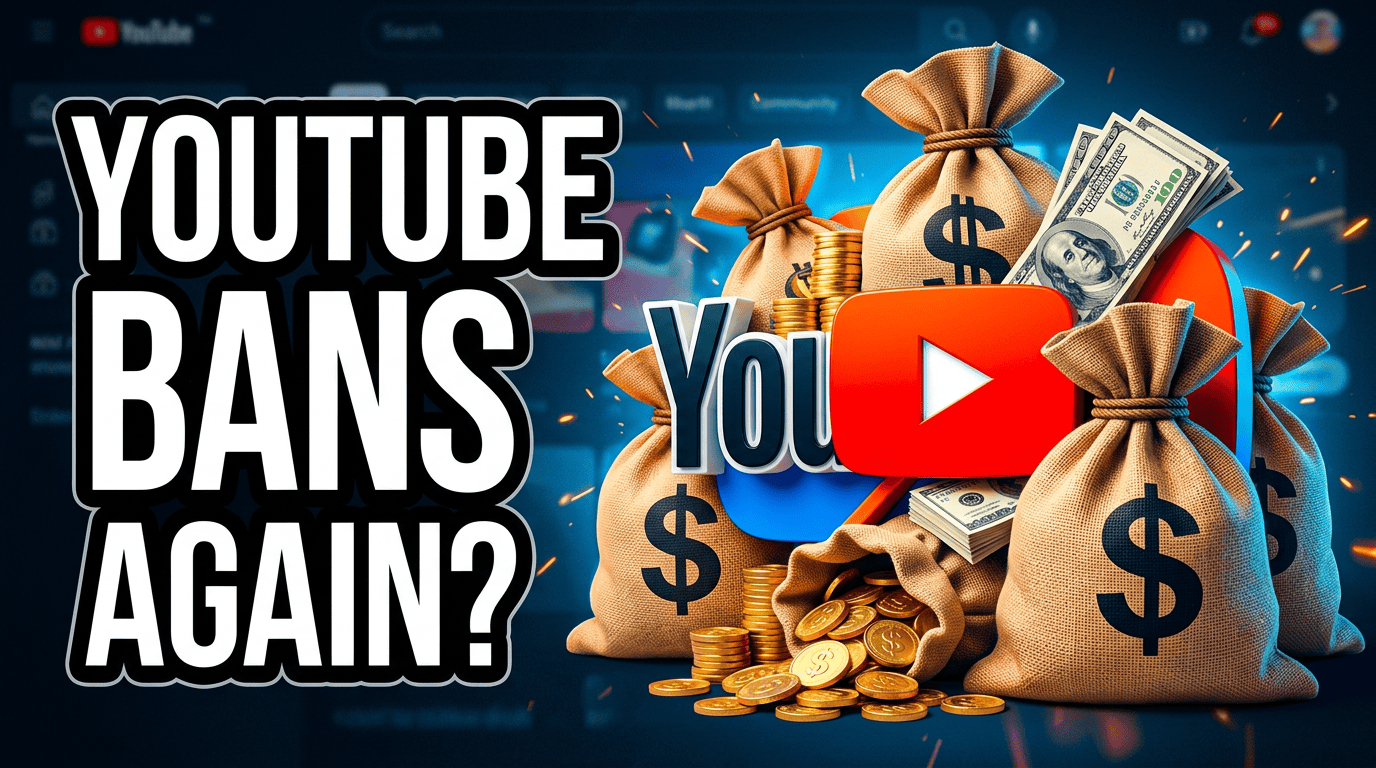
The start of a new week has many reflecting upon YouTube’s Creator Responsibility guidelines, which has resulted in the mass demonetization of channels related to first amendment auditing activities with only a handful of set patterns to determine why one channel was demonetized and others were not.
YouTuber Christopher “Direct D” Ruff became the latest casualty of YouTube’s wave of demonetization in the past few days as he announced on Saturday that his main channel was no longer monetized and that he’d be staying on YouTube with a focus on another channel that was not impacted by the demonetization.
Ruff survived the first wave of demonetization and was notified that he violated the mysterious YouTube Creator Responsibility guidelines when informed of his demonetization. That creator policy apparently applies to life outside of YouTube.
While Ruff will likely never know why he was demonetized, over the past two months he was imprisoned for allegedly harassing a woman he was briefly romantically linked to. While he spent time in jail, ultimately the charges were dropped against him and he was set free.
However, an inquiry to Google’s Gemini AI resulted in the following:
The “On-Platform” Exception: The only way a dropped charge could still cause issues is if the creator committed documented harassment directly inside their videos, live streams, or comments. YouTube enforces its own Harassment & Cyberbullying Policy independently of the police. If a video clearly violates those internal terms (e.g., doxing, malicious insults, or directing fans to attack someone), YouTube may issue a strike or remove the video regardless of what the court decided.
Part of the allegations against Ruff was his alleged usage of YouTube for harassment against his former romantic partner. While there are no signs that YouTube took down the videos in which Ruff mentioned his ex, according to the policy, it may have factored into the decision to demonetize his channel.
That would also explain why two of the three active channels belonging to Dave “Dr. Dave” Coulter were demonetized. Coulter’s style has always been to mock and disparage those that he features on his channel.
YouTuber Shade George “Audit Them” Ghanayem, who was also a victim of demonetization, has criminal charges and protective order out against Coulter based primarily on Coulter’s alleged conduct on YouTube. With Coulter using YouTube to allegedly violating that protective order, he would be in violation of YouTube’s Creator Responsibility guidelines.
Again, Google Gemini states:
Real-World Impact: Violating a legal, court-ordered protective order is a criminal offense. Utilizing a global platform like YouTube to weaponize a following against a victim, perpetuate the harassment, and breach a legal order severely damages the platform’s ecosystem.
If a creator behaves this way, YouTube’s specialized review team can issue severe, account-level penalties that go beyond a simple video removal:
Demonetization: Complete removal from the YouTube Partner Program (losing all ad revenue and monetization features).
The question remains as to why only two of the three Coulter channels were demonetized. This may come down to the last channel having a different AdSense account associated with the channel. When demonetization occurs, all of the channels associated with the same AdSense account are demonetized.
Another question remains comes in content, why weren’t channels like Regan Benson or Jose “Chille” DeCastro’s main channel demonetized?
YouTube’s crackdown doesn’t seem to have impacted very many “reaction” style channels. Lackluster and Here’s the Deal, two channels associated with being pro-auditing and anti-police, were among those channels that are still monetized.
Both channels are fairly benign, and feature commentary that focuses on the videos or subject that they play. They don’t take risks, rarely go outside of the confines of their studios and aren’t known for savaging critics to the point of violating YouTube’s creator policies.
DeCastro’s channel has had documented suspensions from YouTube for allegedly violating YouTube’s hate speech and nudity guidelines and he is widely known for being abusive towards the “trolls” in his side chat and the police officers that he watches on video.
However, he rarely leaves his studio or features his auditing content on his livestreams. Other than his July 3, 2026, arrest, and the occasional stream from his car, the majority of his content features hours and hours of reaction videos.
While he is facing charges for that incident, it was incidental and the crime itself wasn’t related to YouTube. If YouTube used automated scanning, the percentage of the overall hours of his content that passed its testing far outweighs anything that DeCastro may have done that violated the policy.
It doesn’t mean that YouTube won’t demonetize or remove his channel in the future, it means that it may have investigated his channel and simply not found enough to take action at this time.
Regan Benson is also in a similar situation. The majority of her content doesn’t involve providing reactions to videos, she does provide talking head content that with the preponderance of videos on the channel. That content is often offensive, abusive and insulting but not directed at anyone visible on her current streams.
For those who haven’t seen her recent videos, she’s been aided by apparent policies of the police forces in the Denver area to walk away or drive away from Benson rather than engaging with her in non-emergency situations.
She also has a live streamed arrest this year, however, much like in the DeCastro case, she was not using YouTube to do anything related to the arrest other than livestream. It is unclear how the arrest, which consisted of less than an hour of overall footage out of nearly 100 hours she’s produced since then.
As with DeCastro, her current status doesn’t mean that she’ll retain monetization and that there’s a possibility of demonetization should she be more aggressive with her content.
With patterns now forming as to which channels were demonetized and which weren’t, our next dive into this subject will focus on what options are left for demonetized channels and the future plans announced by many of the creators impacted by YouTube’s policy.
This is an on-going news story.

Share this:
- Share on Facebook (Opens in new window) Facebook
- Share on X (Opens in new window) X
- Email a link to a friend (Opens in new window) Email
- Share on LinkedIn (Opens in new window) LinkedIn
- Share on Reddit (Opens in new window) Reddit
- Share on Tumblr (Opens in new window) Tumblr
- Share on Telegram (Opens in new window) Telegram
- Share on WhatsApp (Opens in new window) WhatsApp
- Share on Bluesky (Opens in new window) Bluesky

